Exploring the cultural influence of casinos on society's values and behaviors
The Historical Context of Casinos
Casinos have a rich history that dates back centuries, tracing their origins to early gambling houses in Europe. These establishments evolved from simple gaming venues into sophisticated spaces that offered not only games of chance but also social interactions. In the 17th century, the first official casino, the Ridotto, was established in Venice, providing a controlled environment for gaming, which set the precedent for modern casinos. This historical backdrop has shaped perceptions of gambling as both a leisure activity and a social institution; for example, one can explore the exciting offerings at casino zoccer to see how contemporary platforms have developed.
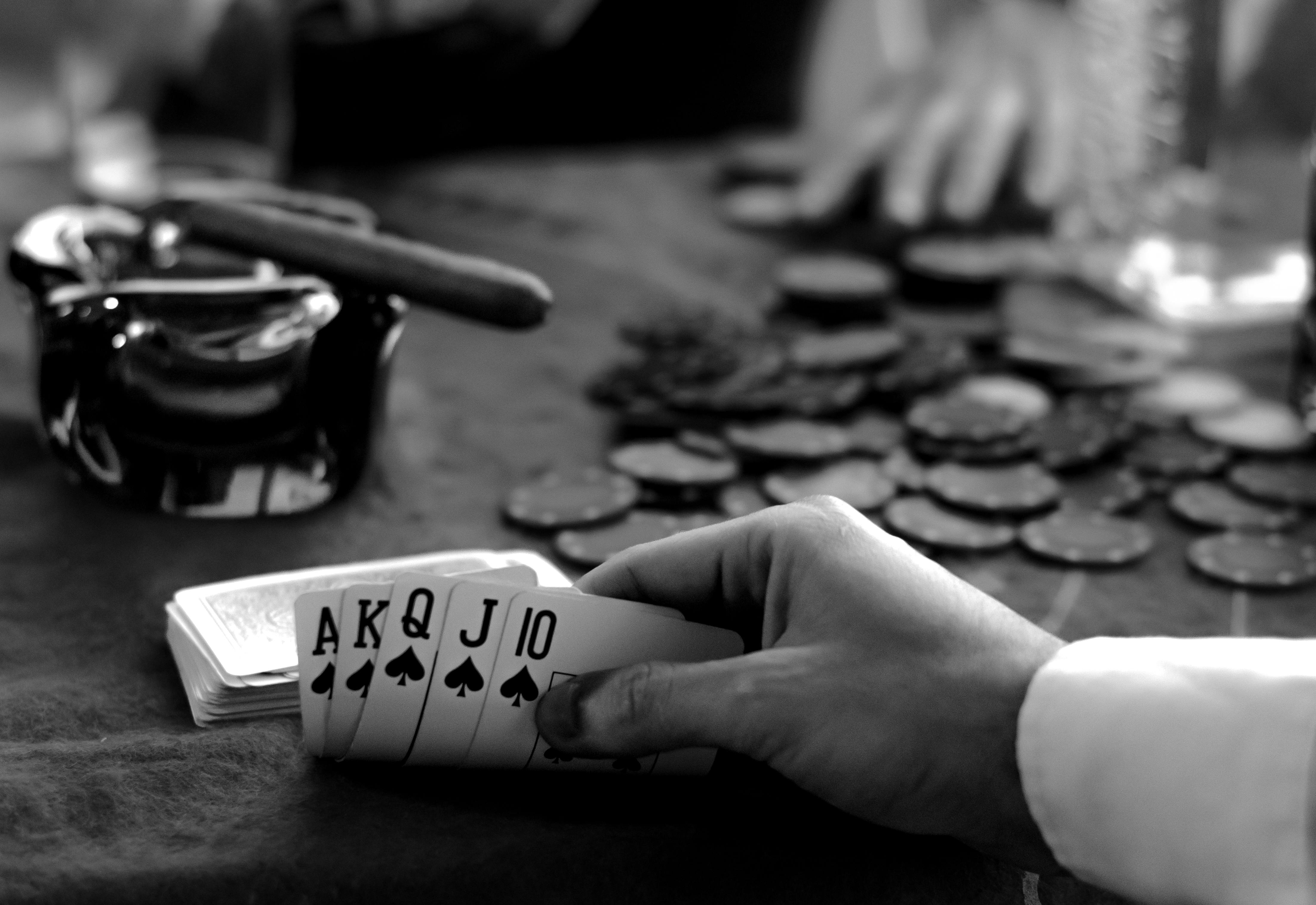
Throughout history, casinos have often mirrored societal values and behaviors, reflecting the economic conditions and cultural attitudes of their times. For instance, during the Industrial Revolution, the rise of the middle class made gambling more accessible, leading to a shift in how society viewed casinos. No longer reserved for the elite, they became integral to entertainment, influencing social norms and behaviors surrounding leisure activities. This transformation underscores the intricate relationship between casinos and societal values.
In contemporary society, the historical evolution of casinos continues to influence their role. Modern establishments often blend luxury with entertainment, providing not just gambling opportunities but also dining, shopping, and nightlife. This multifaceted approach reflects changing societal expectations around leisure and entertainment, where casinos serve as cultural landmarks that shape public perceptions of gambling and, in turn, influence broader social values regarding risk and reward.
The Social Impact of Casinos
Casinos serve as focal points in many communities, often attracting tourism and economic development. They create jobs and boost local economies, transforming the landscape of the regions in which they operate. For example, cities like Las Vegas and Atlantic City have built their identities around the casino industry, leading to significant social and cultural shifts. These developments often foster a sense of community among both employees and visitors, creating a unique social fabric that intertwines leisure and economic growth.
However, the social impact of casinos is not universally positive. Critics argue that the proliferation of gambling establishments can lead to social issues, including addiction and crime. The potential for gambling addiction raises ethical questions about the responsibilities of casino operators and regulators. As communities grapple with these challenges, the cultural narrative surrounding casinos evolves, balancing the economic benefits with the need for responsible gaming practices.
Casinos also influence societal behaviors by altering attitudes toward risk-taking and reward-seeking. The thrill associated with gambling can encourage individuals to embrace high-stakes situations, not just in gambling but also in their personal and professional lives. This shift in risk perception can contribute to a broader cultural acceptance of risk-taking behavior, which may manifest in various ways, including entrepreneurship and investment in speculative ventures.
The Psychological Aspects of Gambling
Gambling, as a form of entertainment, taps into deep psychological processes. The allure of winning, combined with the excitement of risk, engages players in a way that can lead to both positive and negative outcomes. On one hand, the thrill of a potential win can enhance social bonding among players, contributing to a shared experience that strengthens relationships. On the other hand, the psychological pull of gambling can lead to compulsive behaviors, raising concerns about mental health and societal consequences.
Research has shown that the environment of casinos—lights, sounds, and the presence of other players—can heighten the emotional experience, impacting decision-making processes. The dopamine release associated with winning reinforces behavior patterns, making individuals more likely to return to casinos in pursuit of that next high. This dynamic plays a crucial role in shaping societal attitudes toward gambling, as people often view it as a legitimate form of entertainment despite the potential risks involved.
The dual nature of gambling’s psychological effects raises important questions about personal responsibility and societal values. As casinos continue to integrate into cultural frameworks, understanding these psychological aspects becomes essential for promoting responsible gaming and encouraging healthy relationships with gambling. The fine line between entertainment and addiction is a critical aspect that influences public perception and policy surrounding casinos.
Casinos and Cultural Values
The cultural values surrounding casinos are often reflective of broader societal trends, including attitudes toward wealth, success, and leisure. For many, casinos symbolize the possibility of rapid financial gain, embodying the “American Dream” ethos of striking it rich. This cultural narrative is perpetuated by media portrayals of gamblers as both aspirational figures and cautionary tales, influencing public perception of gambling and its role in society.
Moreover, the integration of casinos into popular culture, from films to television shows, reinforces their significance in shaping societal values. These representations can glamorize gambling, leading to a perception that it is a desirable lifestyle choice. However, they can also highlight the darker aspects, such as addiction and loss, prompting society to grapple with the complexities of gambling’s allure and its impact on individual values and behaviors.
As cultural attitudes toward gambling continue to evolve, the role of casinos in shaping societal norms is undeniable. They reflect and reinforce values surrounding risk, reward, and community engagement, often challenging traditional notions of leisure and morality. The ongoing dialogue about the ethical implications of gambling further complicates the cultural landscape, prompting a reevaluation of how casinos fit within the fabric of modern society.

Conclusion on Zoccer Casino
Zoccer Casino represents a modern iteration of the cultural influences of gambling, combining the excitement of casino games with innovative technology. Launched in 2023, this online platform not only offers a vast array of games but also caters to a growing audience that seeks convenience and accessibility. By embracing responsible gambling practices, Zoccer Casino aims to foster a safe gaming environment while contributing to the broader cultural narrative around casinos and their influence on societal values.
As an online platform, Zoccer Casino is part of a larger trend that reflects how gambling has transformed in the digital age. The ease of access and the diversity of gaming options can be seen as a response to changing societal expectations, where convenience is key. By engaging players responsibly, Zoccer Casino positions itself as a player in shaping the future of gambling culture, balancing entertainment with ethical considerations.